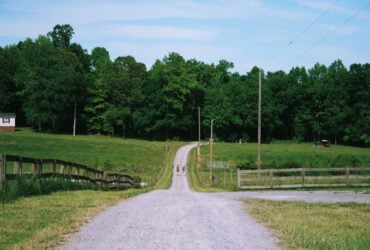

Birding Hotspots in Chatham County
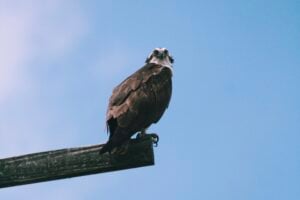 Years ago, the CVB became a Certified Birding Community. The NC Birding Trail worked with partners throughout North Carolina to link destinations that are awe-inspiring for birders and nature enthusiasts. Bonding with nature, binoculars in hand, whether it’s a soaring Bald Eagle or an osprey above the shoreline, birders will seamlessly find our sites, with plenty of places to explore in between. Much like our guests, osprey travel long distances for their discovery, which we like to think is worth the trip.
Chatham County is home to eight sites along the NC Birding Trail: five throughout Jordan Lake State Recreation Area, as well as sites at White Pines Nature Preserve, Jordan Lake Educational State Forest, and the B. Everett Jordan Lake Dam, Tailrace, and Visitor Assistance Center. Each provides unique opportunities for birding and wildlife photography. While the NC Birding Trail is open throughout the year, it’s often winter that draws curious guests to our nature sites. Waiting quietly to spot a bird with color or one that melds into the landscape is a veritable game of hide-and-seek between birder and bird. Our moderate climate provides comfortable weather for year-round exploration, including winter birding, with enough seasonal variation and migratory populations to make each visit unique.
President’s Day weekend marks the return of the Annual #GreatBackyardBirdCount, a global initiative inviting beginners and avid birders alike to spend time in the great outdoors and share the birds they see using the eBird or Merlin Bird ID apps. We’re celebrating the occasion by highlighting some of our favorite birding spots in Chatham County. Consider attending a guided hike hosted by one of our facilities:
- Sat, Feb 14, 9am-11am – Love Nature, Love Self: Show your love and appreciation for nature during this moderate, 2.5-mile guided hike through White Pines Nature Preserve, with plenty of stops along the way to practice mindfulness on the trails.
- Sat, Feb 14, 10am-11:30am – Great Backyard Bird Count Stroll: Learn some new bird identification skills or share some expertise with others. You’ll practice by observing bird study skins up close, then wander the trails of Lower Haw River State Natural Area to conduct your count.
Or, explore our parks, recreation areas, and preserves at your own pace:
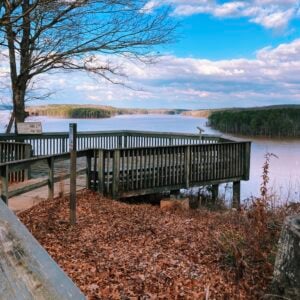 B. Everett Jordan Lake Dam, Tailrace, and Visitor Assistance Center
2080 Jordan Dam Road, Moncure, NC 27559
https://w3w.co/salad.raccoon.neutron.
Seen recently nearby.
B. Everett Jordan Lake Dam, Tailrace, and Visitor Assistance Center is a popular spot, especially for winter birding. The area is home to at least 25 nesting pairs of Bald Eagles, with even more eagles and other migratory birds (several species of ducks, mergansers, gulls, terns, and shorebirds) flocking to the dam each year in search of warmer weather. Spot these “snowbirds”, along with year-round residents like Great Blue Herons and Double-crested Cormorants, from the dam or through the scenic telescope located beside the Visitor Assistance Center. On the trails, meandering through dry coniferous and oak woodlands, you’ll find birds typical of the Piedmont region, like the Carolina Wren and Pine Warbler.
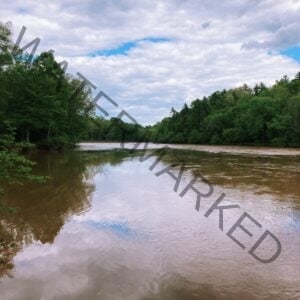 White Pines Nature Preserve
548 S Rocky River Road, Sanford, NC 27330
https://what3words.com/mailman.illusionist.slicing.
Seen recently nearby.
White Pines Nature Preserve, Triangle Land Conservancy’s flagship property, is also its oldest and most biologically diverse. North-facing slopes and cooling waterways create a unique microclimate that supports species typically found in Western North Carolina, including several strains of white pine. Summers here offer a reprieve from sweltering temperatures, as the preserve is usually ten degrees cooler than the surrounding area. Paddle the confluence of the Deep and Rocky rivers, spotting Belted Kingfishers and over a dozen varieties of warblers and other songbirds along the way. Raptors like Broad-winged and Red-shouldered Hawks relish the 285 acres of uninterrupted woodlands.
 Jordan Lake State Recreation Area
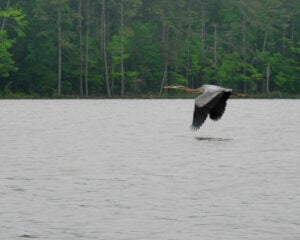
North Carolina’s most popular State Park for a third year in a row, Jordan Lake State Recreation Area, welcomed 2.2 million visitors in 2024. Fifteen miles of hiking trails wind through 4,500+ acres of woodlands surrounding the 14,000-acre reservoir, offering recreation opportunities for campers, boaters, paddlers, hikers, and, of course, birders. Along the way, you’re likely to spot a Brown-headed Nuthatch, osprey, Pileated Woodpecker, and other birds commonly found in this part of North Carolina, as well as wintering waterfowl in the colder months. Though you can find over 100 different birds throughout the park, five specific access points serve as designated sites along the NC Birding Trail:
- Ebenzer Church Access: 2582 Beaver Creek Road, Apex, NC 27523 | what3words.com/oldest.teacups.planks | Seen recently nearby.
- New Hope Access: 339 W H Jones Road, New Hill, NC 27562 | what3words.com/cabinet.watchdogs.transitional | Seen recently nearby.
- Parkers Creek Access: 351 Parkers Creek Beach Road, Pittsboro, NC 27312 | what3words.com/upwardly.pullover.blackened | Seen recently nearby.
- Seaforth Access: 965 Seaforth Beach Road, Pittsboro, NC 27312 | what3words.com/sheet.unfilled.bridged | Seen recently nearby.
- Vista Point Access: 2498 N Pea Ridge Road, Pittsboro, NC 27312 | what3words.com/forgiving.flaunts.parcel | Seen recently nearby.
 Jordan Lake Educational State Forest
2832 Big Woods Road, Chapel Hill, NC 27517
https://what3words.com/colder.remake.whirring.
See recently nearby.
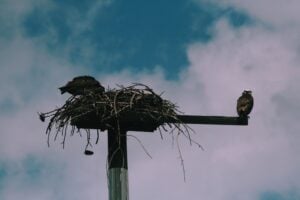
Jordan Lake Educational State Forest, our final site along the NC Birding Trail, showcases a diverse array of biodiversity within a wetland ecosystem, including the incredibly rare Red-cockaded Woodpecker. Great Horned Owls, Red-tailed Hawks, and Northern Bobwhites all call the park home, year-round, and the area also welcomes its fair share of neotropical migratory birds and wintering waterfowl. Children will love The Talking Tree Trail, a short, self-guided loop featuring interactive stations that educate visitors about the local ecology. With picnic shelters nearby, it’s easy to plan a fun and informative family outing for a multigenerational birding experience.
 More Chatham County Birding Spots
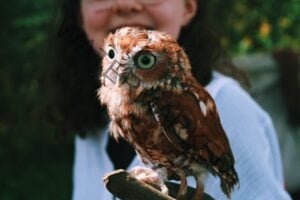
Beyond the NC Birding Trail, towns and sites throughout our area provide lovely habitats for resident and migratory birds alike. Siler City is a designated Songbird Sanctuary, and Lower Haw River State Natural Area is a popular birding spot for locals, who enjoy a particularly great vantage point from the historic Bynum Bridge. The Plant is home to several bird species, a chance to sip, shop, and savor during your birding adventure. Visit in the spring and summer and spot a chattering colony of migrating Purple Martins. Tour and Explore at Piedmont Farm Animal Refuge and meet a variety of feathered residents, including flocks of turkeys, chickens, ducks, and geese, as well as the iconic Mx. Fizzle, a lone guineafowl who “rescued themself”.
 Birding Tips
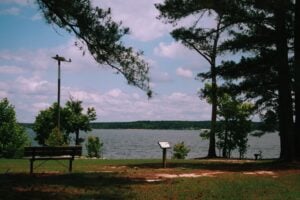
As always, #LeaveNoTrace and #RecreateResponsibly. A few tips for safe and responsible birding:
- Bring binoculars or a camera to observe from a safe distance. Stay on marked trails, not just to respect the land, but for your own safety as well.
- Though February is National Bird Feeding Month, it’s important not to share human food with birds for several reasons, including health and behavioral concerns. Consider contacting our preserves and recreation areas if you’re interested in hosting or attending a safe bird-feeding event.
- Even if a park has trash cans, it’s best to plan to pack out any trash that you bring, just in case.
Bundle in layers, pack fun snacks, and bring those coffee flasks that work overtime to keep your hot beverage ready, so you forget the chill. Consider stopping by Aromatic Roasters or Metal Brixx Cafe for locally roasted coffee.
If you prefer a guided trip, explore our local and regional outfitters offering a range of experiences, such as birdwatching from an observation deck, on the trails, or even from your kayak! Bald Eagle Paddles, hosted by Two Sisters Adventure Company, are a great opportunity to spot our national bird and earn a stamp in your Chatham Celebrates America 250 Passport.
A helpful aspect of the NC Birding Trail sites in our area is that the statewide trail uses what3words, a fun and functional way to locate exactly where you are, whether you’re looking for a specific nest or simply meeting up with fellow birders. The aforementioned eBird and Merlin Bird ID apps are both great resources for identifying birds you see (or hear) during your hike.
Happy birding and cheers to a fruitful bird count for all who participate! The CVB is a certified Birder-Friendly organization. Contact us for more recommendations and assistance with planning your trip.
Stay safe
Plan ahead, in advance. Limit unnecessary stops and let us help you plan your visit.